
In short: Before you book a desert camp in Morocco, confirm three things: which desert you are actually getting (Erg Chebbi at Merzouga, remote Erg Chigaga near M’Hamid, or the rocky Agafay near Marrakech), how long the drive really is, and exactly what the per-person price includes. Getting these right up front saves you from a rushed itinerary or a “desert” that turns out to have no dunes.
Which desert are you actually booking?
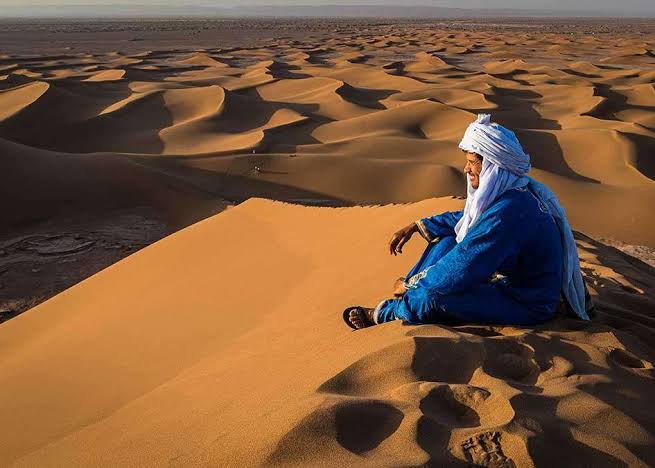
This is the single biggest thing travelers miss. “Sahara desert camp” gets used loosely, and three very different places sit behind that phrase. Erg Chebbi at Merzouga has the classic postcard dunes, the tallest reaching roughly 150m, and it is where most multi-day tours end up. Erg Chigaga, near M’Hamid, is wilder and more remote, reached only by 4×4 over rough track, which is exactly why it feels less touristy. Agafay, just 40 minutes from Marrakech, is marketed heavily as a “desert” but it is a rocky, stone landscape, not sand dunes. Agafay is genuinely lovely for a quick night under the stars, but if you are picturing golden Saharan dunes, you want Merzouga or Chigaga. Ask the operator to name the exact erg before you pay.
How far is the drive, really?
Distance is where expectations quietly break. Marrakech to Merzouga is about 560km and 9-10 hours of driving, which is why it is almost always sold as a 3-day tour crossing the High Atlas and stopping at Ait Benhaddou and the Dades or Todra gorges. If you are coming from Fes, Merzouga is closer, roughly 470km and 7-8 hours. Marrakech to Zagora is shorter, about 360km and around 7 hours, so it works as a 2-day trip, but the dunes there are smaller and less dramatic than Erg Chebbi. When a listing promises “Sahara from Marrakech in one day,” it almost certainly means Agafay. Match the drive time to the number of nights you are booking, or you will spend your holiday in a van.
What should the price actually include?
A shared 3-day Merzouga tour typically runs somewhere in the 80-150 EUR per-person range, and the gap between the low and high end is usually about what is bundled in. Before you book, get it in writing whether the price covers transport, the camel or 4×4 ride into the camp, dinner and breakfast, and the tent itself. Camps range from basic shared tents with communal bathrooms to “luxury” setups with private ensuite tents and heating, and those sit at very different price points. Lunches on the road are commonly excluded. On my own trips, the questions worth asking are simple: private tent or shared, is dinner included, and how many people are in the vehicle. A cheap headline number often means a packed minibus and a no-frills camp.
When is the best time to go?
Season changes the experience completely. October to April is the comfortable window, with warm days and cool, clear nights ideal for stargazing. Summer is brutal: daytime temperatures in the deep desert regularly push past 40C, which makes camel rides and even sitting outside genuinely uncomfortable. Winter flips the other way at night, when desert temperatures can drop near freezing, so if you book December to February, confirm the camp provides thick blankets or heating and pack a warm layer. Shoulder months like October, November, March and April tend to give you the best balance of pleasant weather and thinner crowds.
How do you spot a trustworthy operator?
Read recent reviews rather than the star average, and look specifically for mentions of the actual camp and driver, not just “amazing experience.” A reliable operator will happily tell you the exact camp location, group size, vehicle type, and cancellation terms without dodging. Be wary of anyone who cannot say which erg you are visiting or who quotes a suspiciously low price with no detail. Booking directly with a local agency, or through a clear WhatsApp conversation where you can ask follow-ups, usually gives you more control than a faceless listing. For the full picture on routes and camps, see our Morocco Desert guide.
What to pack and confirm before you leave
A few practical checks make the trip smoother. Confirm the meeting point and pickup time, whether luggage can be stored during the tour, and if there is phone signal or WiFi at camp (often limited, which is part of the charm). Bring layers for cold nights, a scarf for wind-blown sand, sunscreen, and cash for tips and extras, since card payment is rare in the dunes. If you are prone to motion sickness, the mountain passes on the Merzouga route are winding, so plan accordingly. More detail on itineraries lives in our related guide.
Frequently Asked Questions
Can I book a real Sahara camp as a day trip from Marrakech? Not the sand dunes. Merzouga is 9-10 hours away, so a real Erg Chebbi camp needs at least an overnight, usually a 3-day tour. Only Agafay, a rocky desert 40 minutes out, works as a same-day or single-night trip.
How much does a Merzouga desert camp cost? Shared 3-day tours generally fall in the 80-150 EUR per-person range depending on group size and camp comfort. Private tours and luxury ensuite camps cost more, and prices shift with season.
Merzouga or Zagora, which is better? Merzouga (Erg Chebbi) has the tall, dramatic dunes and is worth the longer drive if you have three days. Zagora is closer, about 7 hours from Marrakech and fine for a 2-day trip, but the scenery is more modest.
Is Erg Chigaga worth the extra effort? If you want remoteness and fewer tourists, yes. It sits near M’Hamid and is reached by 4×4 over rough terrain, so it takes more time and usually costs more, but the isolation is the whole point.
What is the best month for a desert camp? Aim for October to April. Summer heat tops 40C in the desert, while deep winter nights get cold, so the shoulder months offer the most comfortable balance.
👉 Planning your trip? Ask our local agency on WhatsApp.
Planning your trip? Explore our Morocco desert tours from Marrakech and 2-day Zagora tour.