
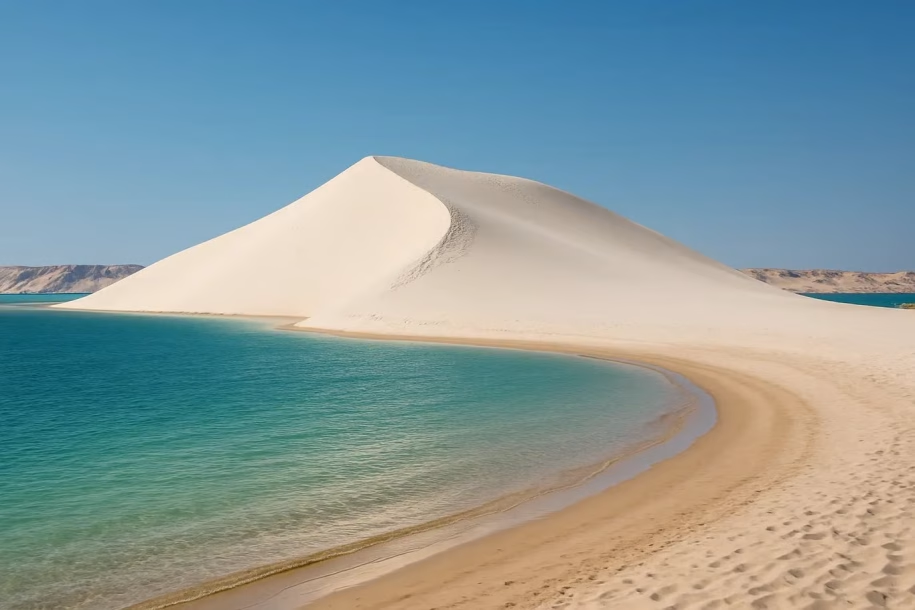
In short: is Dakhla worth visiting depends a lot on what you want from a trip. It’s calm, friendly, and safe to move around in day to day, and for kitesurfers it’s one of the best spots on the planet. But it’s remote, low-key, and short on the usual tourist sights, so if you’re after markets, monuments, and nightlife you’ll be happier elsewhere in Morocco. Here’s a clear look at both the safety question and the worth-it question.
Is Dakhla safe day to day?
For visitors, yes. Dakhla is a quiet, spread-out town with a low crime rate, and the atmosphere is relaxed and welcoming. Petty theft is uncommon compared with bigger tourist cities, and the usual hassle you might get in a busy medina barely exists here. People are used to the kite crowd and tend to be helpful.
The normal sensible habits still apply. Keep an eye on your gear, don’t leave valuables loose on the beach, and respect that this is a conservative part of Morocco, so dress a little more modestly in town than you would at the camp. Solo travelers, including women, generally report feeling comfortable, though the town is small and options thin out at night.
The political situation, explained simply
Dakhla lies in Western Sahara, a territory whose status is disputed internationally, though it’s administered by Morocco and traveled to as part of a Morocco trip. In practice, for a visitor this rarely means anything beyond seeing more police and military checkpoints on the roads than you would up north. At the checkpoints you show your passport, sometimes answer where you’re going, and carry on. It’s routine, not tense.
It’s worth being aware of the background and checking your own government’s current travel advice before you book, since advisories can change. Day to day in and around the town and the lagoon, though, tourism runs normally and has for years.
What Dakhla actually offers
The pull is the natural setting. A long peninsula with the open Atlantic on one side and a wide, shallow lagoon on the other, wind almost every day, and a lot of empty space. The main draws are:
- World-class kitesurfing on flat lagoon water, plus ocean waves for the experienced
- The White Dune, a big pale sand dune you can reach across the lagoon at low tide
- Flamingos and other birds feeding in the shallows
- Oyster farms in the lagoon, where the local oysters are a genuine specialty
- A natural hot spring inland from town
- Fresh seafood and a slow, quiet pace
What it doesn’t have is the classic Morocco of souks, palaces, and old medinas. Dakhla city itself is modern and functional rather than pretty. Come for the water, the space, and the wildlife, not for sightseeing.
Who it suits, and who it doesn’t
| You’ll probably love it if… | You might be disappointed if… |
|---|---|
| You kitesurf or want to learn | You want souks, monuments, and city life |
| You like remote, quiet nature | You want nightlife and lots of restaurants |
| You’re happy at one base for a week | You want to sightsee somewhere new each day |
| You enjoy seafood and simple days | You don’t want a long journey to get there |
A fair way to think about it: Dakhla rewards people who commit to it for several days and lean into the water and the wide-open landscape. It frustrates people expecting a checklist of attractions. Many travelers pair it with time in Marrakech or the classic desert for the sightseeing side, and keep Dakhla for the outdoors.
Practical things worth knowing
A few realities shape a trip here more than they would elsewhere. It’s remote, so services are limited and things move at a slow pace; if something breaks or you need a specialty item, you may have to wait or do without. Carry cash, since cards aren’t accepted everywhere once you leave the city. Medical facilities are basic compared with the big cities up north, so travel insurance is a sensible call and you should bring any medication you rely on.
The climate is kinder than the desert setting suggests. It rarely gets brutally hot on the coast because the ocean and the constant wind keep it moderate, but that same wind means it can feel cool, and evenings are chillier than you’d guess. Sun and wind are relentless out on the open water and sand, so pack proper sun cover and lip balm. None of this is a deal-breaker; it’s just the texture of visiting somewhere genuinely off to the side of the usual routes.
Language is easy enough to manage. Arabic and French get you a long way, and at the camps English is widely spoken because of the international crowd. People are patient with visitors, and a little politeness goes further here than fluency ever would. Plan your days with some slack, accept that the pace is slower than a city break, and Dakhla tends to grow on you rather than dazzle you at first sight.
Planning your Dakhla trip? Since almost everything runs from the lagoon camps and town stays are limited, it pays to see what’s available for your dates before you fly. Check availability and options.
FAQ
Is Dakhla safe for tourists?
Yes, in day-to-day terms it’s calm and welcoming with little crime, and visitors including solo travelers generally feel comfortable. Use normal common sense with your gear and valuables, and check your government’s current travel advice before booking.
Is Dakhla worth visiting if I don’t kitesurf?
It can be, if you like remote nature. The lagoon, the White Dune, flamingos, oyster farms, hot spring, and seafood fill several days. But if you mainly want classic Moroccan sights, other cities will suit you better.
What are the checkpoints on the way like?
Routine. You show your passport, sometimes say where you’re headed, and move on. There are more of them than in northern Morocco because of the territory’s status, but they’re straightforward for visitors.
How many days do I need in Dakhla?
Given the travel time to get there, plan on at least four or five days, and a full week if you’re kiting. A rushed short visit rarely feels worth the effort of reaching such a remote spot.
Planning your trip? Explore our Morocco desert tours from Marrakech, 3-day Marrakech to Merzouga tour and 2-day Zagora tour.