
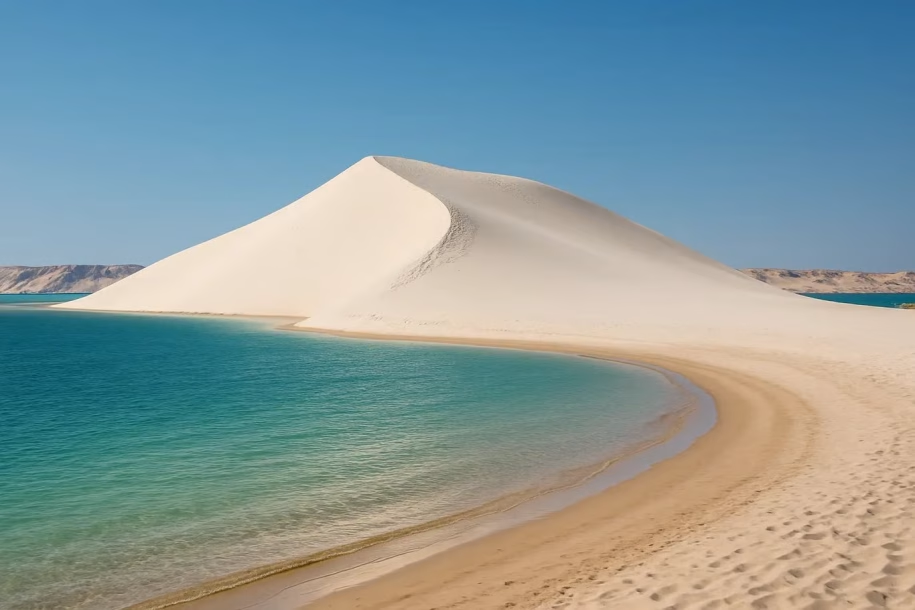
In short: the Dakhla lagoon is the long, shallow bay of flat water tucked behind the town’s peninsula, protected from the open Atlantic. It is the reason most people come here. The lagoon is calm, wide, and warm-ish, and around its edges you will find the White Dune, oyster farms, flamingos, natural hot springs, and a small tidal island. This guide covers what is out there and how the tides shape what you can do on any given day.
How the lagoon is laid out
Dakhla sits on a thin finger of land about 40 kilometers long that reaches south into the Atlantic. On the ocean side you get the full force of the swell. On the inside, that same peninsula shelters a large lagoon of shallow, flat water. That is the split that defines the place: rough ocean on one hand, calm lagoon on the other, often only a short drive apart.
The town itself is out near the tip of the peninsula. Most of the kite camps and lagoon activity are strung out along the shore several kilometers to the south, so getting to the water usually means a short transfer rather than a walk from your hotel.
Tides change everything
The lagoon breathes with the tide, and this catches a lot of first-timers out. At low water it drains dramatically, exposing wide sandbars and turning parts of the bay into ankle-deep shallows you can walk far out into. At high water it fills back up, gets deeper, and turns choppier when the wind is up.
This rhythm decides your day. Low tide is prime time for standing-depth kite practice and for reaching some of the sandbars. High tide changes access to spots like the tidal island. If you have a specific plan, check the tide table the night before, because a spot that is walkable at noon may be underwater by late afternoon.
The White Dune
The White Dune, or Dune Blanche, is the lagoon’s landmark: a big pale sand hill that rises straight out of the water’s edge, well south of town. When the tide is right you can stand at its base with the flat lagoon on one side and the dune climbing behind you. Climb to the top for the view back across the water. It is a common half-day trip, usually reached by car along the coast, and a favorite spot for sunset.
Bring water and something for your feet; the sand gets hot, and there is no shade or shop out there. Go with someone who knows the timing, since the approach depends on the tide.
Dragon Island, oysters, and flamingos
A few more things ring the lagoon:
- Dragon Island is a small rocky island in the lagoon, reachable across the sand at low tide, with a spot to eat and drink. Time it wrong and the water cuts you off, so keep an eye on the tide while you are there.
- Oyster farms are one of Dakhla’s signatures. The lagoon’s clean, sheltered water is ideal for farming oysters, and you can eat them fresh at the farms or in town. It is about as close to the source as seafood gets.
- Flamingos gather in the shallow flats, especially in the calmer months, along with other wading birds. Early morning at low tide, with the lagoon mirror-flat, is the moment to look for them.
Hot springs and the far side
South of town there are natural hot springs where warm mineral water comes up from underground. They make an easy, low-key stop, and the contrast between the warm pool and the cool coastal air is the appeal. Facilities are basic, so keep expectations simple and bring your own towel.
The town side of the peninsula has its own rhythm worth an afternoon. Dakhla itself is a working port with a fishing fleet, a seafront corniche to walk, and simple restaurants where the day’s catch and the local oysters end up on the plate. It is not a resort strip, and that is part of the appeal; you get a real town at the edge of the desert rather than a manufactured one.
Beyond the lagoon, Dakhla is a launch point for the deep south of Morocco. The land flattens into open Atlantic desert, and the road keeps going toward the Mauritanian border. Even if you never leave the peninsula, that sense of being at the edge of the map is part of what the place feels like.
Lagoon or ocean: which side for what
| Lagoon side | Ocean side | |
|---|---|---|
| Water | Flat, shallow, sheltered | Swell and waves |
| Best for | Learning, freestyle, families | Wave riding, surfing, experienced kiters |
| Feel | Calm and social | Wild and exposed |
| Access | Depends on tide | Open, but stronger conditions |
Planning your Dakhla trip? Staying at a camp right on the lagoon puts the White Dune, the oyster farms, and the flat water on your doorstep instead of an hour’s drive away. Check availability and options.
Frequently asked questions
Can you swim in the Dakhla lagoon?
You can, and in the shallows it is easy going since you can stand in much of it. The water is on the cool side, so most people wear a wetsuit or at least a rash top rather than swimming for long.
How do you get to the White Dune?
It sits south along the lagoon shore, reached by car, often as part of a half-day outing. Because the final approach depends on the tide, going with a driver or guide who knows the timing saves a wasted trip.
Are the flamingos there all year?
Numbers rise and fall with the seasons, and the calmer autumn and winter months are a good bet. Look in the shallow flats at low tide, early in the day, when the birds are feeding.
Do I have to kitesurf to enjoy the lagoon?
No. Plenty of people come just to walk the sandbars, eat oysters, visit the dune and the hot springs, and watch the birds. The lagoon rewards a slow, unhurried visit as much as an active one.
Planning your trip? Explore our Morocco desert tours from Marrakech and Agafay desert day trips.