
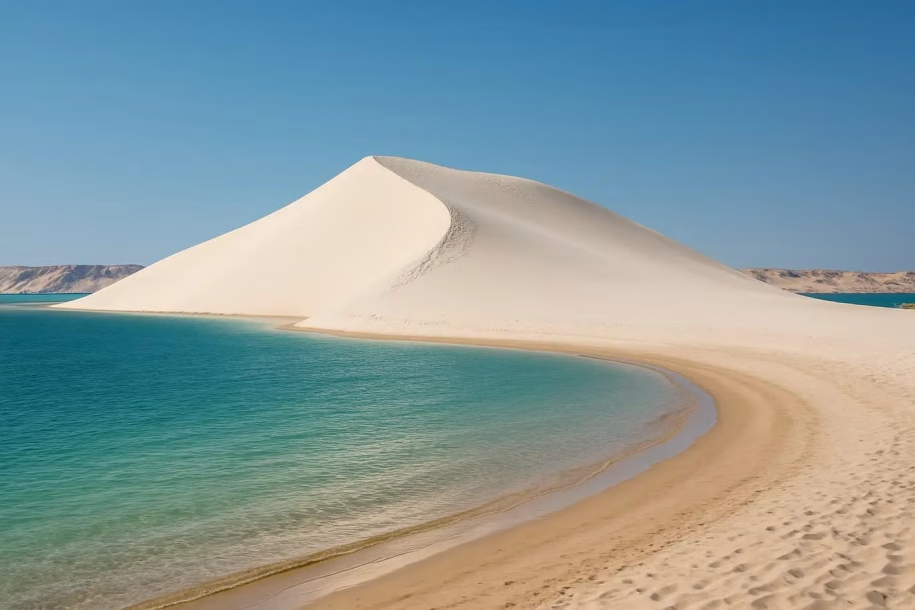
In short: Dakhla Morocco is a small city on a long, narrow peninsula in the far south of the country, wedged between the Atlantic Ocean on one side and a wide, shallow lagoon on the other. People come for wind sports, empty beaches, fresh oysters, and the strange, flat desert-meets-sea landscape. It is a long way from anywhere, which is exactly why it stays calm. This guide covers getting there, when to go, and what is actually worth your time once you arrive.
Where Dakhla is and why that matters
Dakhla sits roughly 550 kilometres south of Laayoune, out on a peninsula that runs about 40 kilometres into the sea. That isolation shapes the whole trip. There is no quick day-trip from Marrakech and no train line. What you get in return is a place with very little tourist noise, huge open horizons, and a slow, salty pace. The town itself is modest: a working port, a handful of restaurants, a Spanish-era church left over from its colonial past, and a lot of wind.
How to get to Dakhla
You have two realistic options, and they could not be more different.
- Fly: the easy route. Royal Air Maroc links Dakhla to Casablanca in a little over two hours, with onward connections to Europe. In summer a few direct charter flights run from European cities. The airport is right by town.
- Drive: the epic route. From Agadir you follow the Atlantic coast road south through Tan-Tan, Laayoune, and Boujdour. It is well over a thousand kilometres, with fuel stops and police checkpoints along the way, and most people split it over two days.
For a first visit, fly in and rent a 4×4 or join excursions locally. Save the coastal drive for a dedicated road trip.
The lagoon, the ocean, and the White Dune
The lagoon is the heart of Dakhla. It is shallow, protected, and glassy, which is why kiters and windsurfers love it. Even if you never touch a board, it is a fine place to walk the flats at low tide and watch the light change over the water. On the far side of the peninsula the open Atlantic brings swell, cliffs, and long empty beaches with barely a footprint.
The White Dune, about 40 minutes south of town, is the postcard shot: a pale sand dune that rises straight out of the lagoon. At low tide you can walk out to it across the sand; time it wrong and the water cuts it off. Nearby you will often see pink flamingos feeding in the shallows, along with other wading birds.
Planning your Dakhla trip? Dakhla is remote and rooms are limited, so it helps to sort flights and a place to stay before you commit to dates. Check availability and options.
Oysters, hot springs, and other local stops
Dakhla grows oysters in the clean lagoon water, and eating a plate of them straight from a lagoon-side farm is one of the simple pleasures here. Beyond that, a few spots are worth the drive:
- The hot springs south of the city, where warm, sulfur-smelling water comes up from the ground. Rustic, popular with locals, good after a windy day.
- Dragon Island, a small island in the lagoon you can reach at low tide, quiet and good for birdlife.
- Imlili, a curious sebkha of small pools far out in the desert, home to unusual fish that survive in the isolated water.
- Porto Rico beach, an Atlantic beach north of town with dunes and space to yourself.
When to visit
| Season | What it is like | Good for |
|---|---|---|
| Spring (Apr to Jun) | Windy, warming, fewer crowds | Kitesurfing, all-round trips |
| Summer (Jul to Sep) | Windiest, busiest, warmest water | Wind sports, beach time |
| Autumn to winter | Cooler, calmer, quieter | Birdwatching, low-season stays |
The wind almost never stops entirely, so pack a windproof layer no matter the month. Daytime is warm to hot, but the breeze off the Atlantic keeps evenings cool.
Food in Dakhla
Seafood is the reason to sit down for a meal here. The port lands fresh fish daily, and the lagoon oysters are the local specialty, sold cheaply by the plate at farms along the water. In town you will find grilled fish, seafood tagines, and the usual Moroccan staples of couscous and tagine, plus a few places doing more international food for the kite crowd. It is not a big dining scene, so do not expect variety on the scale of Marrakech. What it lacks in choice it makes up for in freshness. If you are staying at a full-board camp on the lagoon, most of your meals are handled, but it is worth making a trip into town at least once to eat at the source.
Practical notes
Dakhla is small, so book accommodation ahead in the wind season. Cards are accepted at hotels and larger places, but carry cash for small cafes, taxis, and the far-flung stops. Distances between sights are long and public transport is thin, so renting a vehicle or joining a guided excursion is the way to see the peninsula. The area is a duty-free zone, which shows up in fuel and some goods being cheaper than up north. Bring layers even in summer, since the wind takes the edge off the heat and evenings can feel cool, and pack sun protection because the constant breeze hides how strong the sun is.
FAQ
Is Dakhla worth visiting if I do not kitesurf?
Yes, if you like empty landscapes, seafood, and slow travel. Non-kiters come for the White Dune, the flamingos, the hot springs, and the beaches. It is not a place for nightlife or big sights.
How many days do I need?
Three to five days covers the main spots at a relaxed pace. Kiters usually stay a full week to make the most of the wind.
Is it safe and easy for tourists?
It is a quiet, low-key place. The main practical challenge is distance and thin transport, not danger. Expect routine ID checkpoints on the roads and carry your passport.
Can I drink the local water?
Stick to bottled water, which is easy to find in town. The oysters, by contrast, are a local specialty worth trying.
Planning your trip? Explore our Morocco desert tours from Marrakech and Agafay desert day trips.