
In short: the best time to visit Dakhla depends on what you came to do. If you are here to kite, spring and summer bring the steadiest wind. If you want warm days, calm evenings, and space on the beaches, the winter months are milder than most people expect and far quieter. Dakhla’s climate is desert-dry but the Atlantic keeps it from getting extreme, so there is no truly bad month, only months that suit different plans.
The two things that shape a Dakhla trip
Two forces decide when you should come. The first is the trade wind that runs down the coast from the north. It is what fills the lagoon with kites and it peaks in the warmer half of the year. The second is the cold Atlantic current, which keeps the water chilly even in August and often rolls morning fog over the peninsula before the sun burns it off.
Because of that current, air temperatures here never swing as wildly as you would expect this far south. Summer highs are warm but rarely brutal on the coast, and winter days stay comfortable. It is the wind, not the heat, that changes most through the year.
Month by month at a glance
| Month | Wind | Feel | Good for |
|---|---|---|---|
| January | Lighter, gaps | Mild days, cool nights | Quiet beaches, birdlife |
| February | Building | Mild, some fog | Off-season calm |
| March | Picking up | Warming, breezy | Early kite season |
| April | Strong, steady | Warm, windy | Learning to kite |
| May | Strong, steady | Warm, reliable | All watersports |
| June | Very consistent | Warm, windy daily | Peak kite season |
| July | Very consistent | Warm, breezy | Peak kite season |
| August | Very consistent | Warm, busy | Peak kite season |
| September | Still strong | Warm, easing | Late-season kiting |
| October | Easing off | Pleasant | Mixed trips |
| November | Lighter | Mild | Sightseeing, oysters |
| December | Lighter, gaps | Mild days, cool nights | Quiet escape |
Spring and summer: the wind season
From April through September the wind is the main event. This is when Dakhla fills up with kiters, when the lagoon is busiest, and when a school can almost promise you rideable conditions day after day. If watersports are your reason for coming, aim for this window. June, July, and August are the most reliable of all, though they are also the most booked, so reserve your camp or hotel well ahead.
One thing to keep in mind: the water stays cold through summer. You will still want a wetsuit in July. And the same wind that makes the sport great can pick up sand on the beaches in the afternoon, so a windbreak and eye protection are worth having.
Autumn and winter: the quiet season
From November to February the wind softens and the crowds thin out. There are still windy days, but you get more calm ones too, which is bad news for a kiter on a short trip and good news for everyone else. Days are mild, often in the low twenties Celsius, and the nights turn cool enough for a jacket. Mornings can start gray with sea fog before clearing.
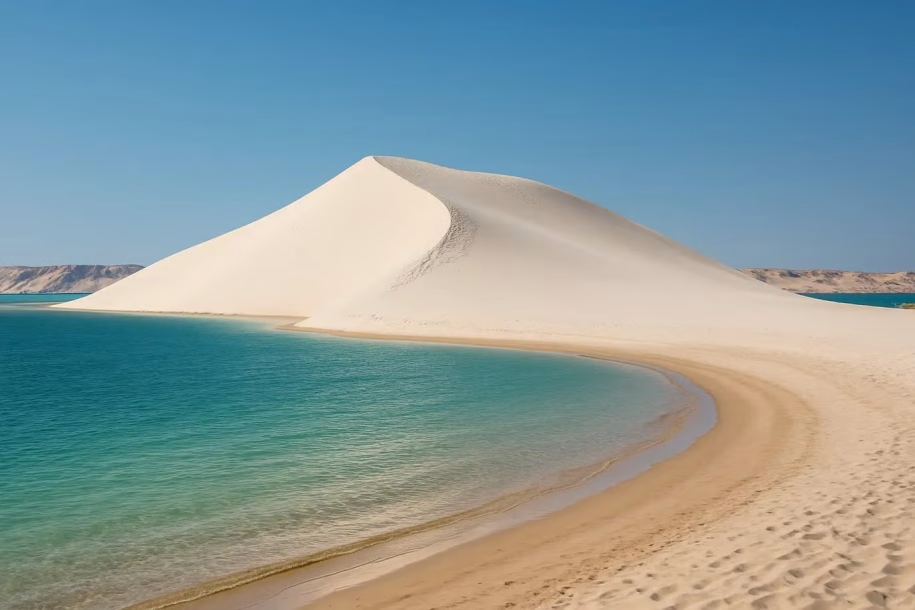
This is the season for the rest of Dakhla: walking the lagoon shore at low tide, watching flamingos in the shallows, eating oysters straight from the farms, driving out to the White Dune, and soaking in the natural hot springs south of town. If you are coming for the landscape and the far-south feel rather than the sport, winter is arguably the nicer time to be here.
Matching the month to your trip
A quick way to decide:
- Here to learn kitesurfing: April to June or September, when the wind is steady but the crowds are smaller than midsummer.
- Here for peak conditions and the kite scene: June to August.
- Here for scenery, wildlife, and quiet: November to February.
- Here to combine a bit of everything: March, October, and early November give you a chance at wind plus room to breathe.
Fog, and what to pack for the season you pick
One feature of Dakhla catches people off guard in any month: morning fog. The cold current offshore pushes low cloud and mist over the peninsula, often overnight and into the early hours, before the sun clears it. It is not a problem, just something to expect, and it can make for soft gray light at dawn that photographers actually like. Plan sunrise trips to the White Dune with a little flexibility on timing.
Packing changes with the season more than you might think. For the summer wind months, bring a wetsuit, eye protection, and something to break the blowing sand on the beach. For the winter months, pack layers: warm days can turn into cool, breezy nights that call for a jacket, and the sea air has a bite once the sun drops. Whatever the month, add strong sunscreen and a hat, because the reflected glare off the shallow lagoon is relentless even on a cloudy morning.
Planning your Dakhla trip? Rooms near the lagoon are limited and the summer wind season books out early, so it pays to lock in a place once your dates are set. Check availability and options.
Frequently asked questions
What is the single best month to visit Dakhla?
There is no one answer, but for most travelers May hits a sweet spot: strong reliable wind, warm days, and slightly fewer people than the July and August peak.
Is Dakhla worth visiting if you do not kitesurf?
Yes. The lagoon, the White Dune, the oyster farms, the hot springs, and the flamingos all stand on their own. Come in the quieter winter months and you will have most of it to yourself.
How cold does the water get?
The Atlantic here stays cool all year because of the coastal current, generally somewhere in the high teens to low twenties Celsius. Plan on a wetsuit whatever month you come.
Does it ever rain in Dakhla?
Rarely. This is a desert coast, so rain is uncommon in any month. Morning fog is far more likely than a downpour, and it usually clears by midday.
Planning your trip? Explore our Morocco desert tours from Marrakech and Agafay desert day trips.